There is a particular kind of frustration that experienced programmers know well. You have a clear picture in your head of exactly what needs to be built. The logic is there, the architecture makes sense, and you understand the outcome you are working toward. What slows you down is not the thinking. It is the writing: the repetitive boilerplate, the syntax you know by heart but still have to type out carefully, the scaffolding code that has to exist before the interesting part can even begin. For decades, this was simply the cost of doing the work. You accepted the friction because there was no alternative. That has changed. Tools designed specifically to handle the mechanical parts of software development have matured to the point where experienced programmers are using them not as a crutch but as a genuine productivity multiplier.
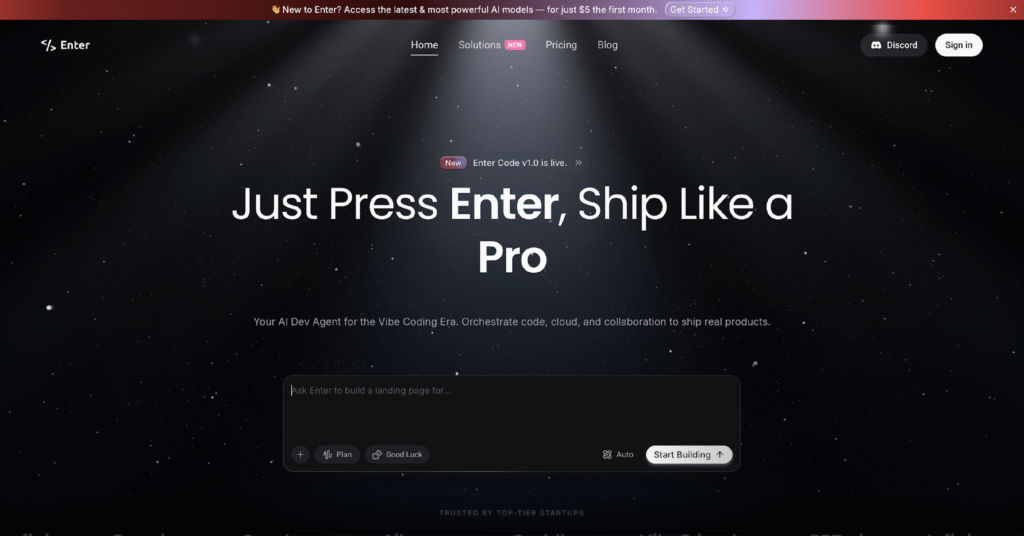
Enter Pro sits at the center of this shift for a specific kind of programmer: the one who wants to build complete, deployable products rather than just write code in isolation. Enter Pro is a full development environment that handles infrastructure, database configuration, hosting, and deployment alongside the code generation layer. For a programmer who has always had the skills to build what they imagine but has been slowed down by everything that surrounds the actual coding, that combination changes the pace of work significantly. The platform is not a replacement for programming knowledge. It is an amplifier for it, one that lets a skilled developer focus on the decisions that actually require their expertise while repetitive execution gets handled automatically.
What makes this interesting is where the productivity gains actually show up for experienced programmers. It is rarely in the core logic of a system, which is the part that requires genuine expertise and where experienced programmers move quickly anyway. It is in the surrounding work: setting up a new project, configuring authentication, wiring up a database schema, writing the API endpoints that connect systems to each other. These are tasks that every programmer knows how to do but that consume hours that could be spent on more interesting problems.
The Boilerplate Problem
Every software project begins with a period of setup that is necessary but not interesting. The project structure has to be established. Dependencies have to be configured. The build pipeline has to be set up. Authentication and authorization logic has to be implemented. Error handling patterns have to be established. None of this is where a programmer’s expertise is most valuable, but all of it has to be done before the valuable part can begin.
A programmer working with tools that handle this setup automatically can reach the interesting part of a project in hours rather than days. The creative and analytical work that makes programming genuinely satisfying starts sooner. The friction of the setup phase, which is the same friction on every project regardless of how many times a programmer has gone through it, disappears.
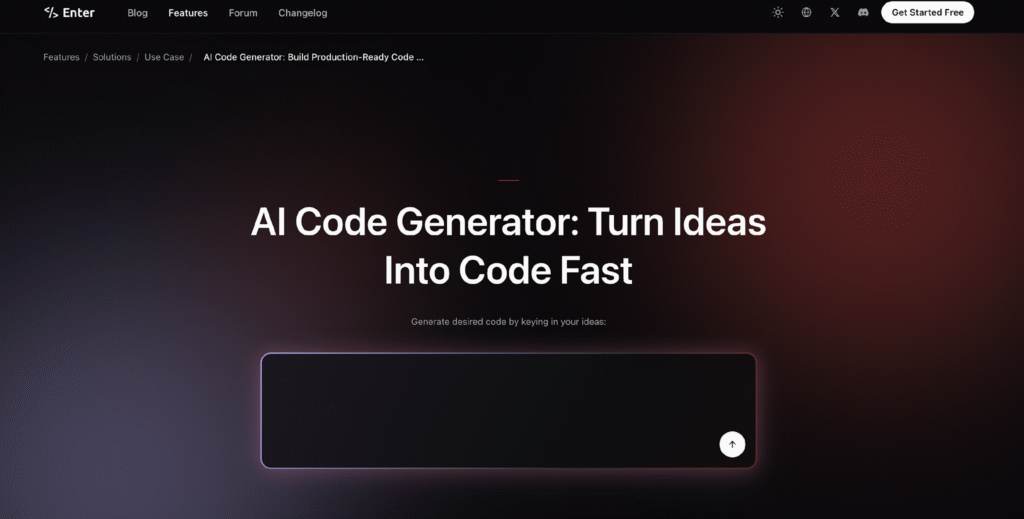
Using an AI code generator within Enter Pro, an experienced programmer can describe the architecture they have in mind and have the structural scaffolding generated automatically. The database schema reflects their design. The API structure follows their specifications. The authentication system implements the approach they chose. They are not accepting someone else’s architectural decisions. They are getting their own decisions implemented faster than they could implement them manually.
The Solo Developer Building Full Products
One of the most significant changes in software development over the past several years is the growing number of experienced programmers building complete products as solo developers. These are not hobby projects. They are commercial applications with real users and real revenue, built and maintained by a single developer who has the full-stack skills to handle every layer of the system.
The challenge for a solo developer building a full product is not ability. It is time. Every hour spent on infrastructure work is an hour not spent on product features. Every day spent debugging a deployment configuration is a day the product is not improving. The programmers who are most successfully building solo products in 2026 are the ones who have figured out how to eliminate the time spent on the work that does not require their judgment.
Enter Pro addresses this directly. The platform handles the infrastructure layer, the deployment pipeline, and the hosting configuration, which means the solo developer can focus almost entirely on the application layer. They are not eliminating programming. They are eliminating the work around programming that consumes a significant portion of development time without producing anything users experience directly.
Working Across Languages and Frameworks
Experienced programmers often work across multiple languages and frameworks depending on the project. A backend developer who is comfortable in Python and Go but less fluent in TypeScript may need to build a frontend component for a project that is otherwise entirely within their expertise. A programmer who knows React well but is building a project that requires a different frontend approach is not starting from zero, but they are operating at a slower pace than they would in their primary environment.
Code generation tools that understand context and can produce accurate, idiomatic code across languages and frameworks reduce the penalty for working outside a programmer’s primary stack. The developer focuses on what the code needs to do. The generation handles the specific syntax and pattern requirements of the language or framework in use.
The Side Project That Becomes a Business
Programming experience creates a constant supply of ideas for tools that would solve problems the programmer encounters in their own work. Most of these ideas stay as ideas because building them properly would take time that is already committed elsewhere. The programmer knows how to build it. They just cannot build it fast enough in the margins of their existing schedule to reach the point where it is useful.
Code generation tools that compress the development time on a side project change this calculation. A tool that would have taken three months of weekend work can take three weeks of focused evenings. That compression is often the difference between a project that ships and a project that stays in a notes file indefinitely.
The Quality Question
A reasonable concern about code generation for experienced programmers is whether the generated code meets their standards. This is a fair question. The honest answer is that the quality of generated code has improved substantially and that experienced programmers who use these tools review what is generated rather than accepting it blindly.
The programmer is not delegating judgment to the tool. They are delegating execution. The architectural decisions, the design patterns, the approach to edge cases: all of these remain the programmer’s responsibility. The code that implements those decisions gets written faster. The programmer reviews it with the same critical eye they would apply to code written by a junior developer. The overall quality of the system reflects the programmer’s judgment because that judgment is still present throughout the process.
Conclusion
Experienced programmers who have integrated code generation tools into their workflow are not programming less. They are programming more effectively. The work that requires their expertise gets more of their attention because the work that does not require it gets handled automatically. For a programmer who has always had more ideas than time to implement them, that shift changes what is possible. The projects that used to be too slow to be worth starting are now fast enough to be worth building. That is a meaningful change in what a skilled programmer can produce, and the programmers who recognize it and act on it are building things in 2026 that would not have been practical for a solo developer to attempt before.
About the Author