Right Water Heater
Key Takeaways
- Understand the different types of water heaters available.
- Assess your household’s hot water needs and energy efficiency goals.
- Consider factors like fuel source, installation space, and budget.
When it comes to ensuring comfort and energy efficiency in your home, selecting the right water heater is crucial. With a variety of water heater types and technologies available, understanding your household needs and installation requirements can help you make an informed decision. If you are searching for trusted water heater repair and installation in Atlanta GA, knowing your options is the first step towards reliable hot water every day.
Choosing a water heater involves careful consideration of your family’s usage patterns, energy efficiency preferences, and the available fuel sources in your area. By conducting thorough research and understanding each system’s advantages, you can maximize both your comfort and your savings for years to come.
New water heater models offer improved energy efficiency and better performance, making it easier for homeowners to find a unit that meets their household’s needs without sacrificing convenience or reliability.
In this guide, we’ll explore types of water heaters, how to assess your family’s hot water demands, and what to consider before making your purchase. Each section covers important factors that will help you make a well-informed decision.
Understanding Water Heater Types
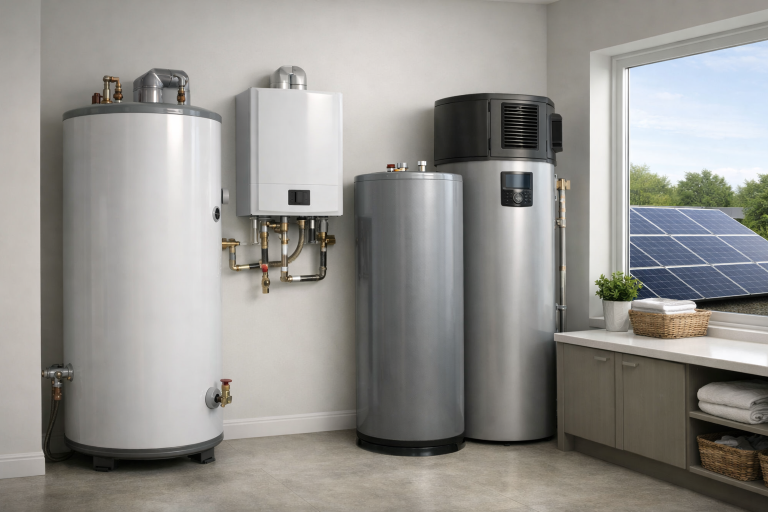
Selecting the right water heater starts with knowing the different types on the market, each offering distinct benefits for various homes and lifestyles:
- Storage Tank Water Heaters: The most common type, storage tank water heaters store a certain volume of hot water, typically from 30 to 80 gallons. These are relatively inexpensive upfront and easy to install. However, they may be less energy efficient due to heat loss while water sits unused in the tank.
- Tankless (On-Demand) Water Heaters: Tankless systems heat water only when needed, so you never run out of hot water as long as demand does not exceed the flow capacity. These units are highly efficient and suitable for homes seeking energy savings, but they come with higher initial costs and may require significant modifications during installation.
- Heat Pump (Hybrid) Water Heaters: These water heaters move heat rather than generate it, making them much more efficient than traditional models. They require ample space for installation and work best in warm, ventilated areas.
- Solar Water Heaters: Powered by sunlight, these water heaters are an excellent choice for reducing utility bills and environmental impact in sunny climates. The upfront investment is higher and solar panels need to be installed, but the long-term savings can be substantial.
Assessing Your Household’s Hot Water Needs
Choosing the right capacity and type of water heater depends on your family’s size, peak hot water usage times, and energy preferences:
- Household Size: Larger families typically require a water heater with a greater storage capacity or a higher flow rate. Calculate your maximum simultaneous hot water demand by factoring in showers, laundry, and dishwashing cycles.
- Peak Usage Times: Determine when your household uses the most hot water. For example, multiple morning showers may require a larger tank or a more robust tankless system.
- Energy Efficiency Goals: Prioritize models with high energy efficiency ratings to manage long-term energy use and reduce utility bills. The U.S. Department of Energy’s Water Heating Guide is an excellent resource for comparing models and efficiency.
Considering Fuel Sources and Installation Requirements
Your choice of water heater may be limited by the energy sources and installation options available in your home:
- Fuel Availability: The most common fuel sources are electricity, natural gas, propane, or solar energy. Your home’s infrastructure may limit your options or make certain systems more cost-effective.
- Installation Space: Ensure you have enough space for the selected water heater type, especially if choosing a large tank or requiring new venting or electrical upgrades.
- Budget Constraints: Balancing the upfront purchase and installation costs with ongoing fuel and maintenance expenses can help you select the best model for your needs and budget.
Energy Efficiency and Cost Considerations
Today’s water heaters are designed for higher efficiency, but the most cost-effective option for you might depend on your specific situation:
- Energy Factor (EF) Ratings: Higher EF ratings indicate better energy efficiency. Always verify the EF rating on the Energy Guide label before purchasing.
- Operating Costs: Consider not only the purchase price, but also monthly fuel consumption and expected lifespan. The Consumer Reports Water Heater Buying Guide offers comparative data on energy use and expected annual costs for various models.
- Incentives and Rebates: Many regions offer rebates or financial incentives for upgrading to energy-efficient water heaters. Check local programs to lower your initial investment.
Maintenance and Longevity
Protect your investment and ensure reliable hot water with regular maintenance:
- Routine Inspections: Annual inspections are recommended to catch potential problems early, such as leaks or corrosion, and can help extend the life of your water heater.
- Flushing the System: Flushing your tank annually clears sediment build-up and maintains system efficiency.
- Anode Rod Replacement: Checking and changing the anode rod as needed helps prevent tank corrosion and premature failure. Refer to your manufacturer’s guidelines for replacement intervals.
Conclusion
Taking the time to compare water heater types, consider your family’s hot water demand, and calculate long-term operating costs can lead to years of reliable, energy-efficient performance. Remember to factor in installation logistics, fuel type, and maintenance to make the best decision for your home and budget.
About the Author