AI Application Answers
Key Takeaways
- AI applications need current information for topics such as news, prices, laws, public events, and software updates.
- Web retrieval gives a language model evidence beyond its training data.
- Answer quality depends on relevance, source authority, freshness, and accurate citations, not on the number of pages retrieved.
- Search-connected AI can improve research, support, education, business analysis, and personal productivity.
- Teams should evaluate accuracy, speed, cost, privacy, and correction rates before expanding a feature.
AI applications are most helpful when they can distinguish between stable knowledge and information that changes every day. A product release, airline schedule, regulatory update, stock quote, or breaking story may require evidence that did not exist when a model was trained. A well-designed web search integration gives an AI system a way to retrieve the current context before it responds.
Fresh data alone does not make an answer trustworthy. The application must find relevant material, prefer credible sources, recognize dates, avoid unsupported claims, and show users enough evidence to verify important information. The strongest systems combine fast retrieval with careful judgment.
Why AI Applications Need Current Information
Language models can explain concepts, summarize supplied material, and help users think through problems. However, their built-in knowledge is not a live database. Information can change between training updates, sometimes within minutes. A customer asking about a current return policy, a traveler checking a canceled flight, or a business reviewing a newly announced rule needs an answer grounded in the present.
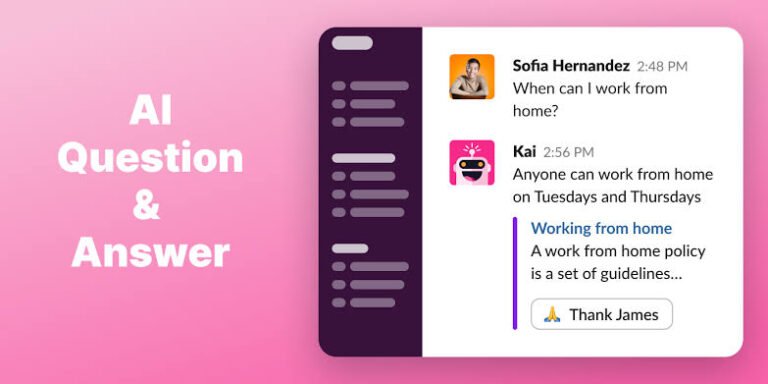
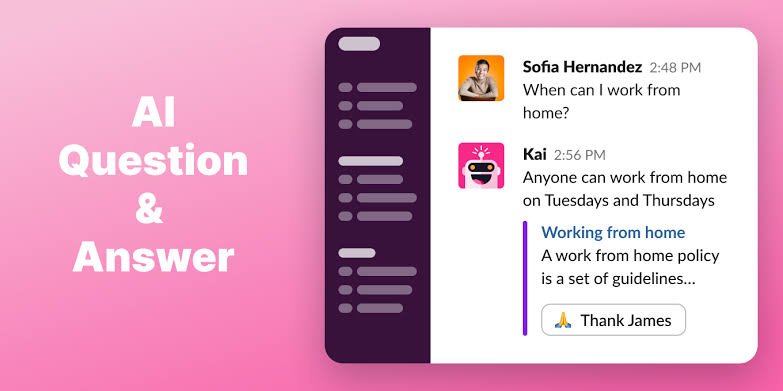
Search-connected AI changes the workflow. Instead of responding only to learned patterns, the system can check relevant online material, extract useful passages, and draft a response based on that evidence. This approach is commonly called retrieval-augmented generation, or RAG.
From a User Question to a Useful Answer
A reliable process usually follows a clear sequence:
- The user submits a question and provides any useful context.
- The application identifies the topic, intent, urgency, and requested level of detail.
- The search layer creates focused queries, sometimes including a date, location, or trusted domain.
- It retrieves pages, news items, documents, or structured data and removes obvious duplicates.
- The system selects passages that directly address the question.
- The language model creates an answer based on that context rather than inventing missing details.
- The application presents links, citations, dates, or source notes beside important claims.
- The user can inspect the evidence and decide whether additional verification is needed.
Search Quality Matters More Than Search Volume
Retrieving fifty pages is not automatically better than retrieving five. An AI system can be distracted by repeated articles, copied summaries, irrelevant keyword matches, and low-quality content farms. Search quality depends on whether the material is relevant, recent, complete, authoritative, and diverse enough to represent the issue fairly.
Give the Right Sources More Weight
The best source depends on the question. An official company announcement may be strongest for a product change. A government agency is usually more appropriate for a regulation. A peer-reviewed paper or university publication may be better for a scientific claim. When sources disagree, the system should identify the disagreement rather than blend conflicting statements into a false certainty.
Dates matter as much as domains. A highly credible page can still be outdated, while a recent page may report preliminary information. Useful search systems compare publication dates, update dates, and the date of the event being discussed. They should also avoid treating a prediction, opinion, or estimate as an established fact.
Why Citations Build Trust
Citations allow users to check the evidence behind an answer. A good citation supports the exact claim nearest to it, rather than pointing vaguely to a long page that may not contain the stated detail. Clear sourcing is especially important when an answer includes a number, a deadline, a policy requirement, a health statement, or a recommendation.
Still, citations are not a guarantee of correctness. A linked page can be biased, incomplete, stale, or misread by the system. Applications should separate verified facts from assumptions and clearly label uncertainty. Teams building public-facing tools can use the AI risk management framework to think more systematically about validation, monitoring, governance, and potential harms.
Common Uses for Search-Connected AI
- Research: Collect recent studies, reports, official statements, and expert commentary.
- Customer support: Retrieve the current help center articles, pricing details, and product policies.
- Education: Explain a topic while helping learners find credible material to explore further.
- Business analysis: Monitor competitors, regulations, market developments, and public announcements.
- Content discovery: Identify emerging questions, trends, and evidence for editorial planning.
- Personal productivity: Turn current information into summaries, comparisons, action lists, or briefings.
When Web Search Should Not Be Used Alone
Medical, legal, financial, safety, and emergency questions require more than a fast search result. Online information may omit key facts, reflect a different jurisdiction, or fail to account for a person’s circumstances. In these situations, AI should help users locate official guidance, prepare questions, and understand general information, but it should not replace qualified professional judgment.
Privacy and Data Controls
Every search query can reveal something about a user or business. Applications should avoid sending private account details, health information, trade secrets, or identifying information to public search services unless there is a clear and appropriate reason. Domain allowlists, query redaction, access controls, retention limits, audit logs, and clear user notices can reduce unnecessary exposure.
How Teams Can Test an AI Search Feature
Start with a narrow use case and a realistic set of user questions. Define what a correct, useful answer looks like before measuring performance. Review whether retrieved sources are relevant, whether citations support each claim, and whether the answer handles vague questions or conflicting information responsibly.
Teams should track answer accuracy, source accuracy, freshness, coverage of real user needs, latency, cost per request, and correction rate. Human reviewers should score clarity and usefulness, especially for difficult cases. Testing should also include expired pages, duplicate coverage, misleading headlines, and queries with insufficient evidence.
What the Future May Bring
AI applications will increasingly combine public web content, structured databases, and private knowledge bases. Better systems will compare multiple sources, detect when facts are likely to change, and preserve transparent evidence trails. The goal is not simply a faster answer. It is an answer that is timely, clear about its limits, and supported by information users can evaluate.
Conclusion
Fresh web data can make AI applications far more useful when people need current answers. Yet search is only the beginning. Trust comes from careful retrieval, strong sources, accurate citations, privacy controls, and human judgment. The most valuable AI experiences will help users understand not only what an answer says, but also why they should trust it.
About the Author