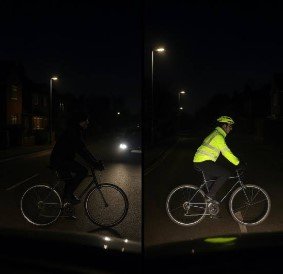
Nighttime cycling presents different challenges on Huntsville roads, where changing light conditions can make approaching bicycles harder to see. A driver may notice other vehicles but overlook a cyclist near the curb or preparing to cross an intersection. Poor visibility can contribute to a bicycle accident, especially when limited lighting combines with unsafe driving, unexpected turns, or difficult road conditions. A bicycle accident lawyer can help determine whether driver negligence or other factors contributed to a nighttime collision.
Why Cyclists Become Harder to See After Sunset
Human vision changes significantly in low-light conditions, making it harder to recognize shapes, judge distances, and detect movement. Cyclists present a smaller profile than passenger vehicles, and their movements may be difficult to distinguish against dark buildings, trees, or parked cars. A driver approaching an intersection might notice headlights from oncoming vehicles but fail to recognize a bicycle traveling along the roadway. This problem becomes more serious when drivers are distracted or traveling too fast for the available visibility.
Headlight glare creates another concern. Bright lights from approaching traffic can temporarily reduce a driver’s ability to see objects outside the illuminated area. Wet pavement may reflect headlights and streetlights, making road markings and approaching cyclists harder to distinguish. These conditions can also affect a rider’s ability to identify potholes, debris, or uneven pavement before reaching them.
How Poorly Lit Intersections Increase Collision Risks
Intersections and commercial driveways can become particularly dangerous after dark because drivers must judge approaching traffic before turning. A motorist making a left turn may misjudge a cyclist’s distance or overlook the bicycle entirely. Vehicles exiting parking lots can also cross a rider’s path when landscaping, signs, or parked cars obstruct the view. However, poor lighting does not automatically excuse negligent driving. Motorists must adjust their speed, remain attentive, and follow applicable right-of-way rules. Investigators examining a nighttime bicycle accident may consider streetlight placement, vehicle headlights, traffic signals, and whether the driver had a reasonable opportunity to see the cyclist.
What Does Alabama Require for Bicycle Lights at Night?
Alabama Code Section 32-5A-265 establishes specific lighting requirements for bicycles operated at nighttime. Cyclists must have a front lamp that produces white light visible from at least 500 feet ahead. The bicycle must also have an approved rear red reflector visible from 100 to 600 feet when illuminated by a vehicle’s low-beam headlights. A rear red light visible from 500 feet may be added, but it does not replace the required reflector. These requirements help other road users recognize cyclists before reaching them.
Lighting equipment can become an important issue during a bicycle accident claim. Insurance companies may investigate whether the cyclist used the required lights and whether those lights were functioning properly. However, inadequate lighting does not automatically prove that the cyclist caused the collision. Investigators must consider whether a lighting violation actually contributed to the accident. A bicycle accident attorney can examine damaged equipment, witness accounts, and roadway conditions when visibility becomes part of a liability dispute.
How Nighttime Conditions Affect Fault and Injury Claims
Establishing responsibility after a nighttime collision can be difficult when witnesses disagree about what was visible. Alabama follows contributory negligence rules, which generally prevent compensation if the injured cyclist’s negligence contributed to the accident, subject to recognized exceptions. Insurance adjusters may question whether the rider wore visible clothing, used proper lighting, or followed traffic laws. A bicycle accident lawyer may review surveillance recordings, photographs, headlight conditions, and the surrounding environment to evaluate those allegations. Medical records also help document the resulting bicycle injury, particularly when fractures, head trauma, or other serious conditions require extended treatment.
Getting Legal Help After a Nighttime Cycling Accident
Determining who caused a nighttime cycling accident can be difficult, especially when a driver claims poor visibility made the collision unavoidable. The Lackey Law Firm helps injured cyclists in Huntsville AL address these disputes by examining road conditions, lighting, and possible driver negligence. Riders looking for a bicycle accident lawyer in Huntsville AL can turn to the firm’s attorneys for help establishing what happened, challenging disputed insurance claims, and pursuing compensation for medical expenses, lost wages, and other accident-related losses.
About the Author