Chore Jacket
Key Takeaways
- Chore jackets originated in 19th-century France as durable workwear for laborers.
- They transitioned into mainstream fashion due to their practicality and timeless design.
- Modern chore jackets are versatile, suitable for various occasions and styles.
- Brands like Bills Khakis offer high-quality chore jackets that blend tradition with contemporary fashion.
Origin of the Chore Jacket
The chore jacket, also known as a barn jacket, traces its roots back to 19th-century France. Designed for laborers, it was crafted from durable fabrics like cotton canvas to withstand the rigors of manual work. Its simple, functional design featured multiple pockets for tools and a loose fit for ease of movement. This practicality made it a staple among French workers and, later, American farmers and railroad workers.
These early chore jackets were traditionally produced in a distinctive “bleu de travail,” or working blue, a deep cotton-dyed blue that camouflaged stains and dirt. Eventually, the sturdy appeal of the chore jacket spread across industrial societies. The jacket’s enduring construction and pragmatic features, such as reinforced stitching, large front pockets, and button closures, became trademarks, ensuring its widespread adoption among workers in other trades and countries. For over a century, the design of the chore jacket remained mostly unchanged, proof of its effectiveness as daily workwear and its core appeal to those who value usability.
Modern Interpretations
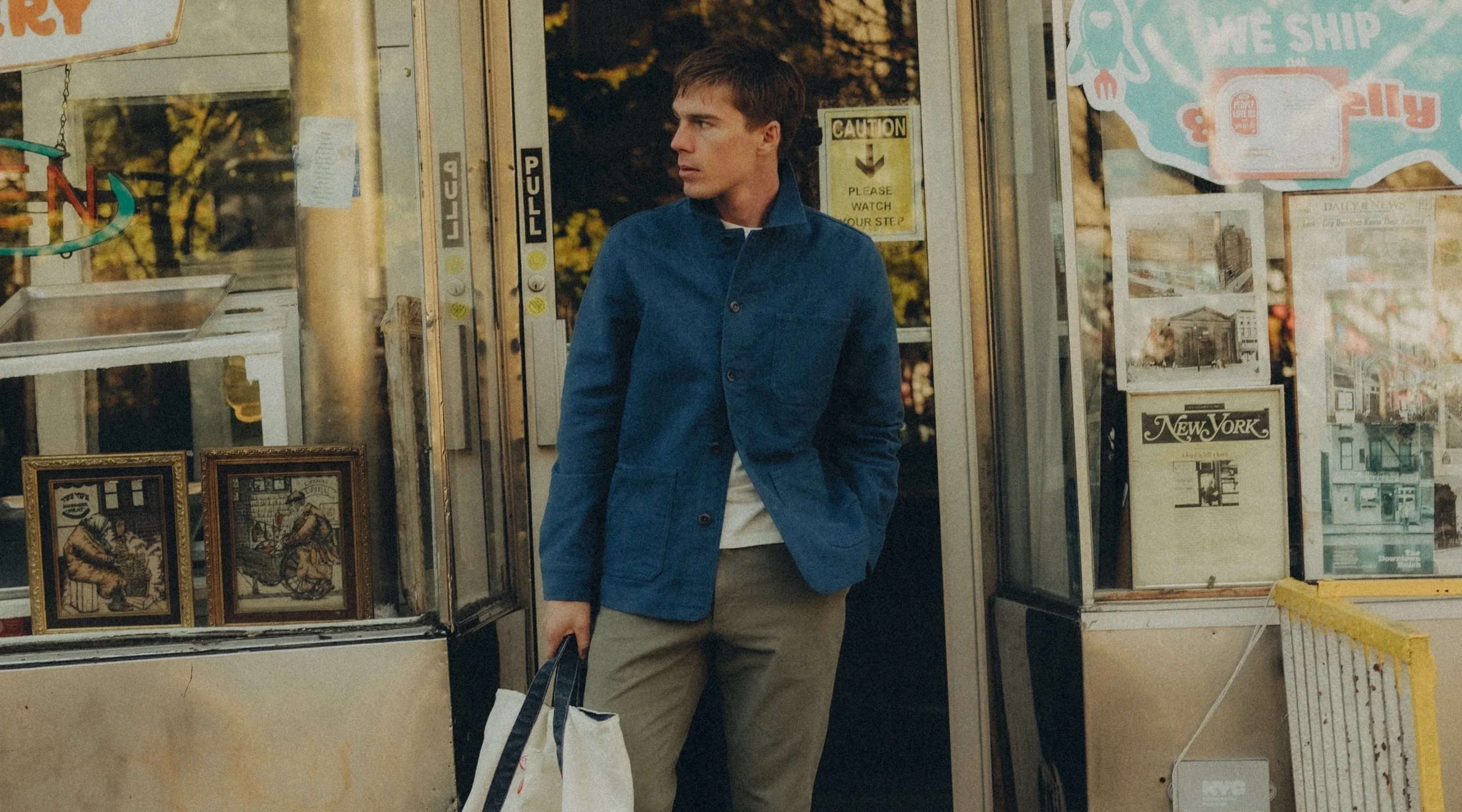
Today, the chore jacket has been reimagined by designers and brands, blending traditional elements with contemporary fashion. Brands like Bills Khakis, known for their commitment to quality and classic American style, offer chore jackets that honor the garment’s heritage while incorporating modern fabrics and fits. Their collection showcases the jacket’s evolution from workwear to a fashionable wardrobe essential.
Modern versions often feature organic or recycled fabric blends, improved fits with slimmer cuts, and new details like interior pockets or contrasting linings. Some brands experiment with unexpected color palettes, patterns, or even lightweight technical materials for year-round wear. In addition, limited-edition collaborations between established heritage brands and contemporary designers regularly introduce chore jackets featuring unique graphics, stitched embellishments, or reinterpretations of the classic utility-pocket setup. This ingenuity ensures that the chore jacket appeals to both tradition-minded and fashion-forward dressers.
Transition to Mainstream Fashion
By the mid-20th century, the chore jacket began to transcend its workwear origins. Its utilitarian design caught the attention of fashion enthusiasts seeking functional yet stylish outerwear. The jacket’s versatility allowed it to be paired with various outfits, making it a favorite among different subcultures and eventually, the general public.
High-fashion designers and emerging streetwear brands both found inspiration in the jacket’s clean lines and rugged practicality. Particularly in the 1970s and 1980s, counterculture movements adopted chore jackets as symbols of anti-establishment style, while creatives, artists, and designers gravitated toward their understated look. This slow but defined move into mainstream fashion meant new fabrics, colorways, and tweaks entered the market, soft brushed twills, softer earth tones, and more refined tailoring became accessible for a wider audience. This adaptability further cemented the chore jacket’s place as a timeless outerwear option.
Styling the Chore Jacket
The chore jacket’s versatility makes it suitable for a variety of occasions. Here are some styling tips:
- Casual Look: Pair a chore jacket with jeans and a t-shirt for a relaxed, everyday outfit.
- Smart Casual: Layer it over a button-down shirt with chinos for a polished yet comfortable ensemble.
- Layering: Use it as a mid-layer under a heavier coat during colder months for added warmth and style.
The beauty of the chore jacket is in its ability to bridge the gap between work and leisure. Try rolling up the sleeves for a laid-back look or buttoning all the way up for a more structured, utility-inspired vibe. During transitional seasons, it can replace heavier outerwear, making it perfect for spring or early fall. For a streetwear-inspired appearance, combine a vibrant or uniquely dyed chore jacket with tapered joggers and trainers. Alternatively, a traditional indigo or tan chore jacket can be worn with selvage denim and brogues for a classic Americana ensemble.
Choosing the Right Chore Jacket
When selecting a chore coat, consider the following factors:
- Material: Opt for durable fabrics like cotton, canvas, or moleskin for longevity.
- Fit: Ensure a comfortable fit that allows for layering without being too bulky.
- Color: Neutral colors like navy, khaki, or olive offer versatility and timeless appeal.
Think about your typical use cases: If you need a jacket for heavy outdoor activities, prioritize thicker fabrics and reinforced seams. For daily urban wear, a lighter or stretch-infused fabric may provide greater freedom of movement and comfort. Examine the pocket arrangement: some are designed for tools, while others are more for style. Pay attention to the collar construction; some modern chore jackets feature corduroy collars for added character and contrast. Finally, be sure the overall length and sleeve width align with your preferred layering pieces, especially if you plan to wear it over sweaters or hoodies.
Care and Maintenance
Proper care extends the life of your chore jacket:
- Washing: Follow the manufacturer’s instructions, which typically recommend a cold-water wash and air drying.
- Storage: Hang the jacket to maintain its shape and prevent wrinkles.
- Repairs: Address minor damages promptly to prevent further wear.
Regularly checking the jacket for loose threads and reinforcing seams if necessary will keep your jacket looking sharp for years. If your jacket is made from heavier fabrics like duck canvas, consider waxing it for improved water resistance and durability. Avoid harsh chemicals and high heat settings, as they can compromise color and fiber integrity. For stains, spot-cleaning with a mild detergent is usually sufficient. Investing in periodic professional cleaning, especially for high-quality or vintage jackets, can also help maintain the structure and texture of the material.
Conclusion
The chore jacket’s journey from functional workwear to a modern wardrobe staple highlights its enduring appeal. Its blend of practicality, durability, and style ensures it remains a versatile piece suitable for various occasions. Brands like Bills Khakis continue to honor this tradition, offering high-quality chore jackets that blend contemporary fashion with the garment’s rich history.
Whether you’re drawn to the chore jacket for its rugged heritage, practical design, or its style credentials, it’s clear that this jacket has stood the test of time. From art studios to city streets, rural farms to urban offices, the chore jacket adapts and evolves, always ready to serve and look good doing it. With ongoing innovations in fabric technology and cross-generational appreciation, the chore jacket is poised to remain a fashion and functional icon for years to come. If you haven’t yet added one to your wardrobe, now is the perfect opportunity to embrace both form and function with a garment steeped in history but very much of the moment.
About the Author