Many homeowners assume roof replacements have to wait until spring or summer, but that’s not always the case. Modern roofing materials and experienced installation crews make it possible to replace many roofs during the winter months. In fact, if your roof is leaking or has suffered storm damage, waiting several months for warmer weather can often lead to much more expensive repairs.
One of the biggest advantages of a winter roof replacement is preventing additional damage. A small leak can quickly become a larger problem when snow, ice, and freezing rain continue to enter the home. Moisture can damage insulation, drywall, ceilings, wood framing, and even electrical systems. Replacing a failing roof before these problems worsen often saves homeowners significant money.
Winter roofing projects require additional planning and attention to detail. Roofing crews carefully monitor weather forecasts and schedule installations during safe working conditions. Snow and ice are removed before work begins, and exposed areas of the roof are protected throughout the installation process to minimize the home’s exposure to the elements.
Cold temperatures can affect roofing materials, especially asphalt shingles. Experienced roofing professionals understand manufacturer installation recommendations and use proper handling techniques to ensure shingles are installed correctly during colder weather. Every project is planned to provide both quality workmanship and long-term performance.
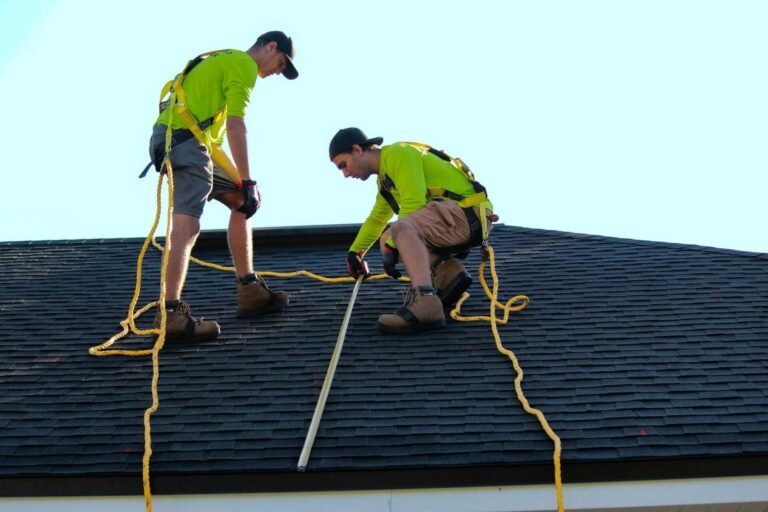
Safety is another important consideration. Winter conditions create additional challenges such as icy surfaces, shorter daylight hours, and colder temperatures. Professional roofing contractors use specialized safety equipment, fall-protection systems, and carefully planned work procedures to protect both the crew and the homeowner’s property throughout the project.
Homeowners also benefit from replacing a roof before severe winter weather causes additional problems. A new roofing system includes updated underlayment, ice and water barriers, flashing, ventilation, and quality shingles that help provide better protection against snow, ice dams, and wind-driven rain. Starting winter with a properly installed roof offers greater peace of mind throughout the season.
While not every winter day is suitable for roofing, many successful roof replacements are completed each year during the colder months. The key is working with experienced professionals who understand how winter weather affects roofing materials and installation practices.
If your roof is leaking, missing shingles, or nearing the end of its lifespan, don’t assume you have to wait until spring. An experienced Winter Roofing Contractor can evaluate your roof, determine whether winter installation is appropriate, and help protect your home from further weather-related damage while providing a durable roofing system built to last.
About the Author