Factors That Influence Lifespan
Key Takeaways
- The quality of materials and craftsmanship establishes the baseline for your hot tub’s longevity.
- Ongoing maintenance, including balanced water chemistry, is crucial for maximizing the life of your spa.
- Environmental exposure and usage habits also significantly influence overall durability.
- Investing in professional installation and proactive care can prevent issues and economic losses over time.
Investing in a hot tub is a significant decision, and understanding which factors impact its longevity is essential for maximizing your enjoyment and getting the best value over the years. Several variables influence how long your hot tub will stay in top condition, from the quality of its construction to how you take care of it. Knowing how to optimize each aspect ensures you can make informed decisions whether you’re shopping for a new spa or planning the care of your current one. If you’re also interested in learning where to buy hot tub chemicals in Salt Lake City, there are reputable outlets dedicated to helping hot tub owners preserve their investment.
With the right set-up and routine care, a hot tub can deliver relaxation and enjoyment for many years. Ignoring important factors, on the other hand, can lead to early replacements and extra costs. Whether you’re prepping for your first purchase or just want to ensure your spa stands the test of time, knowing what affects its lifespan is crucial for every homeowner.
Quality of Materials and Construction
The life expectancy of a hot tub often starts with the materials used. High-quality hot tubs are generally built with reinforced acrylic shells and sturdy steel or wood frames. These materials can resist everyday wear and tear, chemical exposure, and fluctuations in temperature. Premium brands can last up to 15 to 20 years or longer when cared for properly. Entry-level or less expensive models may use thinner plastics or lightweight materials, which are less robust under pressure, sometimes resulting in a shorter lifespan of only 5 to 10 years. Striking the right balance between cost and material quality can provide substantial long-term savings by reducing repairs and replacements.
Maintenance and Water Chemistry
Proper maintenance plays a central role in how long your hot tub lasts. Water chemistry, in particular, can have a profound impact on internal components such as jets, pumps, and pipes. Regularly testing and balancing your water’s pH, alkalinity, and sanitizer levels not only protects bathers from harmful bacteria but also guards against corrosion, scaling, and mineral buildup. Failing to do so often leads to costly repairs, such as replacing gaskets, seals, plumbing, or even the entire pump or heater. A clean spa filter, regular surface scrubbing, and draining or refilling as recommended by the manufacturer ensure issues are caught early and addressed promptly.
Environmental Factors
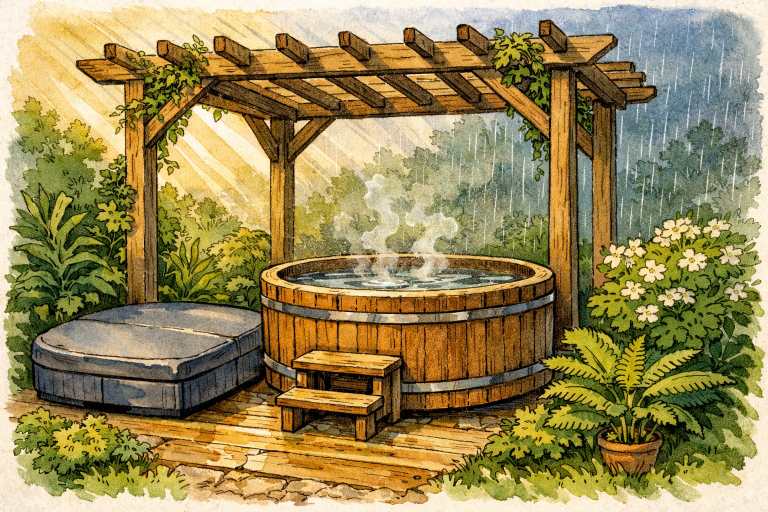
The location and setting of your hot tub strongly affect its durability. Outdoor hot tubs exposed to direct sunlight, high winds, snow, or rain are more likely to develop cracks or fading in the shell and weathered covers. Over time, UV rays degrade surfaces and weaken seals, especially if a proper cover is not used. Placing your hot tub under a pergola, awning, or another kind of cover can mitigate the effects of harsh elements. Additionally, using insulated, weather-resistant covers when the tub is not in use prolongs the lifespan of both the shell and mechanical systems, saving you money and maximizing spa enjoyment.
Usage Patterns
How frequently and intensively you use your hot tub also determines how long it will last. Heavy daily use puts more strain on the pump, heater, and filtration system. Families or social gatherings where the tub is used frequently and by many people at once can lead to quicker wear and degradation. Conversely, using your hot tub a few times per week and sticking to cleaning routines helps minimize stress on working parts. Adhering to optimal usage guidelines and rotating maintenance tasks between users can distribute wear evenly and extend the life of your hot tub.
Installation and Setup
A commonly overlooked factor is how your hot tub is installed. Improper leveling, insufficient support, or poor electrical wiring can lead to persistent issues and even void your warranty. Setting the unit on a solid base with correct drainage pathways helps avoid costly structural damage or water-related deterioration. Professional installation ensures all connections and settings comply with local codes and safety standards, minimizing risk and giving you peace of mind.
Component Lifespan
Different components within your hot tub may require attention or replacement at varying intervals. For example, spa covers and headrests typically last 3 to 7 years. Pumps, heaters, and control panels often last between 5 to 10 years with proper care. Planning for these ongoing maintenance requirements, such as regularly inspecting electrical parts, enables you to budget for replacements and avoid unexpected breakdowns. Looking up specific manufacturer timelines is a great way to keep on top of necessary maintenance and upgrades.
Signs It’s Time for Replacement
Even with diligent care, every hot tub reaches a point where repair becomes impractical. Common indicators that it’s time for a replacement include persistent leaks, structural shell cracks, and aging equipment that no longer operates efficiently or safely. If frequent repairs are required or if energy bills climb due to malfunctioning components, it may be more financially sensible to invest in a modern, energy-efficient hot tub rather than continually patching an aging spa.
Conclusion
The choices you make, starting from selecting a well-built model to maintaining balanced water chemistry and protecting your spa from harsh environmental factors, have a direct impact on how long you’ll enjoy your hot tub. Being proactive about installation, maintenance, and usage routines is key to extending its lifespan. With care and attention, your hot tub can remain a source of relaxation and comfort for many years to come.
About the Author