Tank Integrity Inspections
Tank inspection services aren’t just about “good practice.” They’re not optional maintenance tasks you squeeze in when there’s time.
They’re tied directly to compliance. Legal compliance. Environmental compliance. Safety compliance.
And if that sounds a bit heavy… well, it is.
Because when a storage tank fails, it doesn’t just affect the equipment. It affects people, the environment, and the company behind it.
That’s exactly why tank integrity inspection services exist — and why regulators expect them to be done properly.
Compliance Isn’t Just Paperwork
A lot of facilities treat compliance like documentation.
Reports filed. Boxes checked. Done.
But here’s the thing — compliance actually starts with physical integrity.
If your tank is corroding, leaking, or structurally compromised, no amount of paperwork is going to fix that.
Standards from organizations like the American Petroleum Institute are built around one core idea:
Know the condition of your assets. Act on it. Document it.
Inspection services are what make that possible.
They give you the data. The evidence. The proof that you’re doing what regulations require.
Without inspections, compliance is basically guesswork.
Safety Comes First — Always
Let’s talk about the most immediate reason why inspections by water storage tank inspection companies matter: safety.
Storage tanks hold materials that can be:
- Flammable
- Toxic
- Corrosive
- Environmentally hazardous
If something goes wrong, the consequences aren’t minor.
We’re talking:
- Fires or explosions
- Chemical exposure
- Structural collapse
- Worker injuries
Regular inspections identify risks before they escalate.
Things like:
- Thinning metal
- Cracks in welds
- Weak roof structures
- Failing nozzles
Catching these early isn’t just maintenance — it’s prevention.
And agencies like the Occupational Safety and Health Administration expect companies to actively manage these risks, not react after something happens.
Environmental Protection
Here’s where it gets even more serious.
A leaking tank doesn’t just stay contained.
It can seep into:
- Soil
- Groundwater
- Nearby water bodies
And once contamination spreads, cleanup becomes complex… and extremely expensive.
Regulators enforce strict environmental standards because of this exact risk.
Tank inspection services help facilities:
- Detect leaks early
- Monitor corrosion before it breaches containment
- Maintain protective coatings
- Ensure proper functioning of seals and vents
In other words, inspections are your first line of defense against environmental incidents.
And from a compliance standpoint, that’s non-negotiable.
Legal Obligations
Let’s be blunt.
If a tank fails and causes damage — environmental or otherwise — the legal consequences can be significant.
Fines. Lawsuits. Operational shutdowns.
And during investigations, one of the first questions asked is:
“Were inspections conducted properly and on time?”
If the answer is no… that’s a problem.
Standards like API 653 provide a framework for inspection intervals, repair criteria, and documentation.
Following these standards demonstrates due diligence.
Not following them? It can be seen as negligence.
And that’s where legal exposure increases.
Documentation Is Your Safety Net
Here’s something people often overlook.
Inspection reports aren’t just internal documents. They’re legal records.
They show:
- When inspections were performed
- What was found
- What actions were taken
- How risks were managed
In the event of an audit or incident, this documentation becomes critical.
It proves that you didn’t ignore risks. That you followed industry standards. That you acted responsibly.
Without it, you’re left trying to explain decisions after the fact.
And that’s never a comfortable position to be in.
Compliance Is Ongoing, Not One-Time
Another common misconception?
That compliance is something you “achieve” once.
It’s not.
Tank integrity changes over time. Corrosion progresses. Conditions evolve.
That’s why inspection services are recurring.
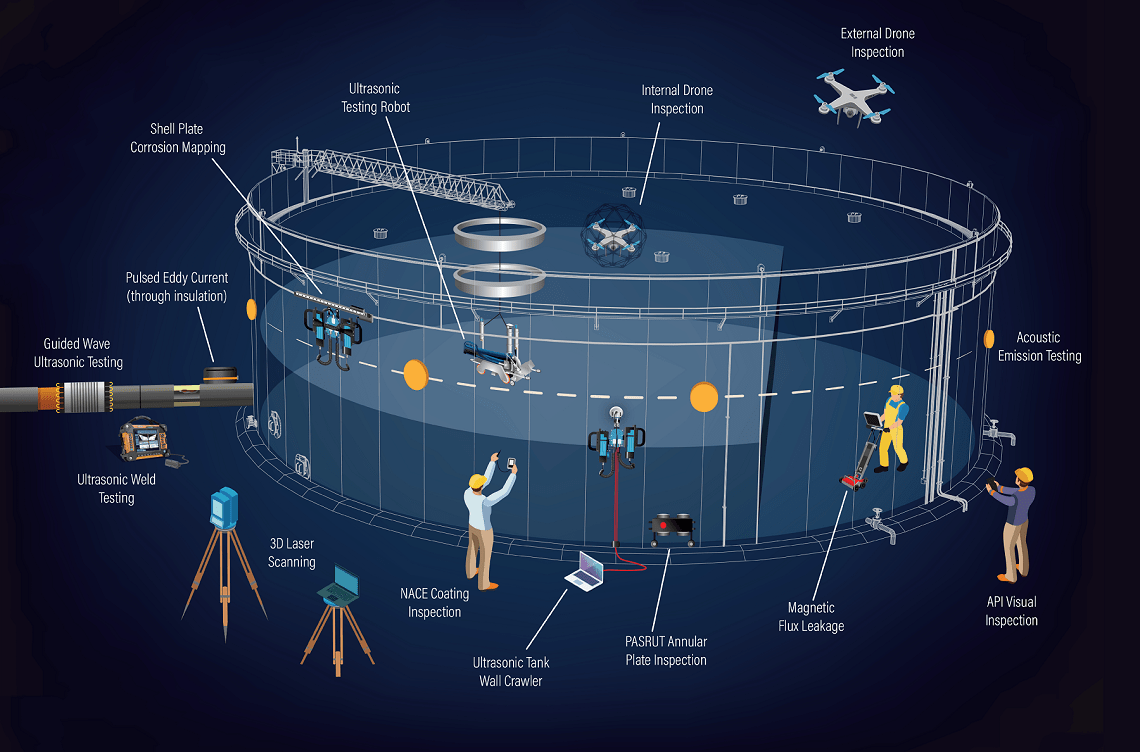
External inspections. Internal inspections. Monitoring programs.
They create a continuous cycle:
Inspect → Evaluate → Repair → Monitor → Repeat
It’s not glamorous. But it works.
The Cost Argument
Yes, inspections by a reliable tank inspection company cost money.
So do repairs. And downtime.
But here’s the comparison that matters:
- Cost of inspection → planned, manageable
- Cost of failure → unpredictable, often massive
And that doesn’t even include reputational damage or regulatory penalties.
When you look at it that way, inspections aren’t an expense.
They’re risk control.
Final Thought
If compliance feels like a burden, it’s probably being approached the wrong way.
Because at its core, compliance is about responsibility.
To your workers. To the environment. To the communities around your facility.
Tank integrity inspection services help you meet that responsibility — not just technically, but legally and ethically.
And in today’s world, that matters more than ever.
FAQs
1. Why are tank inspections required for regulatory compliance?
They ensure tanks are structurally sound, prevent environmental contamination, and demonstrate adherence to industry standards and safety regulations.
2. What standards govern tank inspections?
Standards from organizations like the American Petroleum Institute, including API 653, define inspection requirements and maintenance practices.
3. How do inspections help prevent environmental damage?
By identifying corrosion, leaks, and structural weaknesses early, inspections reduce the risk of spills and contamination.
4. Can poor inspection practices lead to legal consequences?
Yes. Failure to conduct proper inspections can result in fines, lawsuits, and increased liability if an incident occurs.
5. Are inspection reports important for audits?
Absolutely. They provide documented proof of compliance, maintenance actions, and risk management efforts.
About the Author