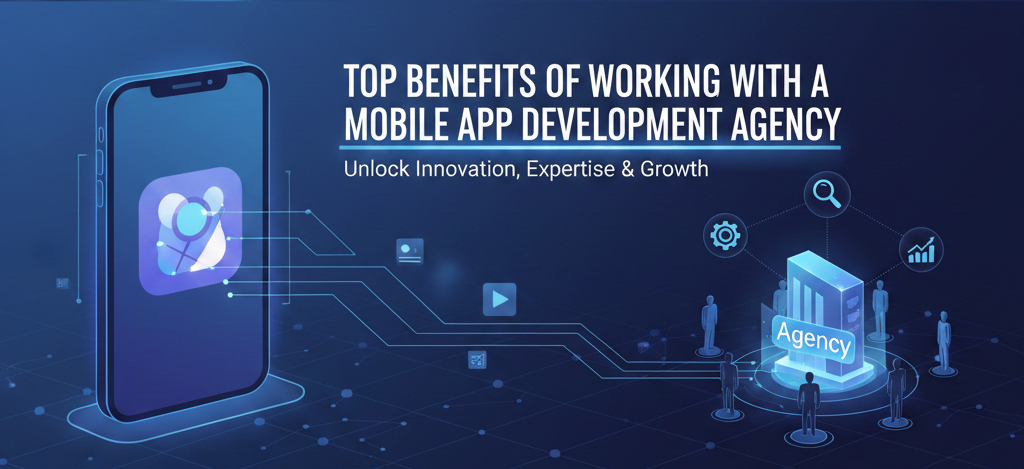
Mobile apps shape how modern businesses connect with customers. People shop, book services, learn, and communicate through mobile devices every day. Because of this shift, businesses need reliable and user-friendly mobile apps. Building an app is no longer just a technical project. It requires planning, design, testing, and long-term improvement. That is why many companies choose to work with a mobile app development agency.
A professional agency brings structured processes and experienced specialists. They help businesses turn ideas into practical digital products that users enjoy. With the right team, an app becomes more than software. It becomes a powerful business tool. Companies that invest in professional development often see better engagement, stronger brand presence, and improved customer satisfaction.
In this article, we explore the key benefits of mobile app development agency partnerships and why they matter for modern businesses.
Benefits of Working With a Mobile App Development Agency
1. Customized App Development for Unique Business Needs
Every business works differently. A restaurant, hospital, retail store, or logistics company needs different app features. A professional agency focuses on custom mobile app development that aligns with business goals. Instead of generic templates, developers create solutions tailored to specific requirements.
Customized apps help businesses:
- Deliver unique customer experiences
- Integrate internal systems
- Improve operational efficiency
For example, a delivery company might need route optimization and real-time tracking. A fitness studio might require membership management and class scheduling. With a customized approach, the app reflects the company’s brand and workflow. This personalization improves usability and customer loyalty.
2. Access to Industry Expertise and Experience
App development involves many technical disciplines. It includes coding, design, architecture, security, testing, and optimization. When businesses work with a mobile app development company, they gain access to skilled specialists across these areas.
Experienced teams include:
- developers
- designers
- project managers
- quality analysts
- product strategists
These professionals understand current technologies and industry standards. They also work with multiple industries. That experience helps them identify risks early and recommend better solutions. Experienced app development experts follow proven development practices. They understand platform requirements and ensure the app performs well on different devices. Their knowledge helps businesses avoid costly mistakes during development.
3. Strategic Planning and Clear Development Roadmap
A successful mobile app begins with strong planning. Without strategy, even good ideas can fail. Professional agencies start projects with detailed research and planning. They evaluate business goals, customer needs, and market competition. This planning phase builds a strong mobile app strategy.
Key steps often include:
- identifying target users
- defining core features
- selecting technology stacks
- planning scalability
This strategy ensures the product aligns with business objectives. Agencies also document a clear app development process. This roadmap divides the project into stages like design, development, testing, and launch. Structured planning reduces confusion and keeps the project on track.
4. Cost-Effective Development Without Compromising Quality
Many business owners assume agencies cost more than freelancers or in-house teams. In reality, agencies often provide cost-effective app development. They reduce hidden costs by managing the entire development cycle efficiently. Agencies already have experienced teams and established workflows. Businesses avoid spending money on recruiting, training, and infrastructure.
Professional developers also reduce technical mistakes. Fixing errors later can cost far more than preventing them during development. Agencies optimize resources and timelines. This approach improves return on investment. For startups and small businesses, outsourcing development often becomes the smartest financial decision.
5. Faster Development and Launch
Speed matters in the digital market. Businesses must launch products quickly to stay competitive. A professional agency helps companies save time through efficient processes and experienced teams. When businesses hire mobile app developers through an agency, they gain immediate access to skilled professionals. This eliminates the long hiring process.
Agencies follow structured workflows that accelerate development. They also use modern development tools and frameworks to reduce coding time. A faster development cycle allows businesses to test ideas quickly and adapt to market needs. This speed often gives companies a competitive advantage.
6. High-Quality Design and User Experience
Users judge apps quickly. If an app feels confusing or slow, they uninstall it within minutes. A well-designed interface makes a huge difference. Professional agencies focus strongly on UI/UX app design. Designers study how users interact with mobile apps and create intuitive interfaces.
They focus on:
- easy navigation
- clean layouts
- fast loading speed
- responsive interaction
Good design increases user satisfaction and engagement. When users enjoy using the app, they return more often. This improves retention rates and strengthens brand trust.
7. Development for Multiple Platforms
Modern businesses must serve users across different devices. Most users operate on either iOS or Android smartphones. Building separate apps for each platform can become complex. Professional agencies specialize in iOS and Android app development. They understand platform guidelines and technical differences.
Developers ensure the app performs smoothly across devices and screen sizes. Agencies may also recommend cross-platform frameworks to reduce development time. This multi-platform approach expands reach and ensures businesses serve a wider audience.
8. Scalable Applications for Future Growth
A mobile app should support business growth. Many companies start small but expand quickly. Apps built without scalability often struggle when user traffic increases. Experienced developers focus on building scalable mobile applications. They design a flexible architecture that handles growth without performance issues.
Scalable apps support:
- increasing user numbers
- additional features
- integration with new systems
This future-ready approach prevents costly rebuilds later. Businesses can grow confidently without worrying about technical limitations.
9. Continuous Testing and Quality Assurance
App performance directly affects user experience. If users encounter bugs, crashes, or slow loading, they quickly lose trust. Professional agencies run detailed testing throughout development.
Quality assurance teams check:
- performance
- security
- compatibility
- usability
Testing ensures the app works smoothly across devices and operating systems. This process protects businesses from negative reviews and technical failures after launch. Quality testing remains one of the most valuable benefits of mobile app development agency partnerships.
10. Long-Term Support and App Maintenance
Launching an app is only the beginning. Apps require regular updates, bug fixes, and feature improvements. Operating systems change frequently. Security updates also become necessary. Professional agencies provide ongoing app maintenance and support.
Maintenance services typically include:
- performance monitoring
- security updates
- feature upgrades
- compatibility updates
These services keep apps reliable and secure. Businesses can focus on growth while experts manage technical updates. Reliable mobile app development services ensure the app continues delivering value over time.
Conclusion
Mobile applications have become essential for businesses that want to stay competitive in the digital economy. However, building a successful app requires more than coding. It demands planning, design, testing, and long-term improvement. Working with a professional mobile app development agency provides businesses with the expertise, structure, and resources needed to build high-quality apps.
From strategic planning to scalable architecture, agencies help transform ideas into reliable digital products. They also ensure faster development, a strong user experience, and continuous support after launch. Businesses that partner with the right agency gain a trusted technology partner for long-term growth. Choosing experienced professional app development services can turn a simple app idea into a powerful platform for customer engagement and business success.
FAQs
1. Why should businesses work with a mobile app development agency?
A professional agency provides expertise, structured development processes, and access to skilled developers. They manage the entire project from planning to launch. This approach improves app quality, reduces risks, and ensures the product aligns with business goals.
2. How does a mobile app development agency ensure app quality?
Agencies follow structured development practices that include testing, quality assurance, and performance checks. They evaluate usability, security, and compatibility across devices. This process ensures the final app works smoothly and provides a reliable experience for users.
3. Is hiring a mobile app development agency cost-effective?
Yes, agencies often provide better long-term value. Businesses avoid hiring, training, and infrastructure costs. Experienced teams also reduce development errors. This prevents expensive fixes later and helps businesses launch a stable product faster.
4. How long does it take to develop a mobile app?
The timeline depends on app complexity, features, and platform requirements. Simple apps may take a few months. Advanced applications require more development time. A professional agency creates a clear development roadmap to manage timelines efficiently.
5. Do agencies provide support after launching the app?
Most agencies offer post-launch maintenance and updates. This includes bug fixes, security improvements, and compatibility updates for new operating systems. Ongoing support ensures the app remains secure, stable, and useful for users over time.
About the Author