Home demolition isn’t something most people think about until they absolutely have to. Maybe the house is too old to repair, maybe a renovation calls for a complete reset, or perhaps a property has been damaged beyond saving by fire or storms. Whatever the reason, the idea of tearing down a home can feel overwhelming at first.
But in reality, professional demolition is a carefully planned process—not the chaotic wrecking-ball scene people often imagine from movies. When done correctly, it’s structured, safe, and surprisingly methodical. For homeowners, understanding how it works can make the entire experience less stressful and far more predictable.
Understanding What Home Demolition Really Involves
At its core, home demolition is the process of safely taking apart a structure so the land can be reused. But “taking apart” doesn’t always mean smashing everything down at once. In modern practice, professionals often approach demolition like reverse construction.
Think of it like dismantling a large piece of furniture you bought from a store. You wouldn’t just smash it with a hammer—you’d carefully remove screws, separate panels, and avoid damaging parts you might reuse or recycle. Home demolition works in a similar way, especially when materials like wood, metal, and fixtures can be salvaged.
There are different types of demolition methods depending on the situation. Mechanical demolition uses heavy machinery like excavators. Manual or “selective” demolition involves workers carefully removing specific parts of a structure. In some industries, like retail renovations or office upgrades, selective demolition is common because businesses often want to keep certain structural elements while updating interiors.
Before anything physical happens, professionals conduct site inspections. They check for hazards such as asbestos (a harmful material once commonly used in insulation), outdated wiring, or unstable foundations. Permits are also required in most areas to ensure the work follows local safety rules.
For homeowners, this early planning stage is just as important as the demolition itself. It sets the tone for everything that follows and helps avoid delays or unexpected costs.
Planning, Safety, and What Happens Before the First Wall Comes Down
One of the biggest misconceptions about demolition is that it starts quickly. In reality, a significant amount of work happens before any machinery arrives.
First, there’s the permitting process. Local authorities usually require approval to ensure the demolition won’t affect neighboring properties, underground utilities, or public safety. It’s similar to how road construction projects need approval before closing lanes—everything must be documented and authorized.
Next comes utility disconnection. Electricity, water, gas, and sometimes internet lines must be safely shut off. Imagine trying to renovate a kitchen while the water is still running—it’s not just inconvenient, it’s dangerous. The same logic applies on a larger scale with an entire home.
Another important step is salvaging usable materials. In many cases, homeowners are surprised to learn that items like wooden beams, doors, cabinets, or even bricks can be reused or sold. In the same way that the automotive industry recycles parts from old vehicles, demolition teams often separate materials for recycling centers.
Then there’s the safety planning. Professionals assess the surroundings to protect nearby homes, trees, and roads. Dust control systems may be set up, and fencing is installed to keep the site secure. This is especially important in residential neighborhoods where families, children, and pets are nearby.
This is where working with experts in professional demolition for homes becomes especially valuable. Experienced teams don’t just tear structures down—they coordinate logistics, safety measures, and environmental considerations in a way that keeps the entire process controlled from start to finish. For homeowners, this means fewer surprises and a much smoother experience overall.
The Demolition Process: From First Break to Final Cleanup
Once everything is approved and prepared, the physical demolition begins. Depending on the size and condition of the house, this stage can take anywhere from a single day to several weeks.
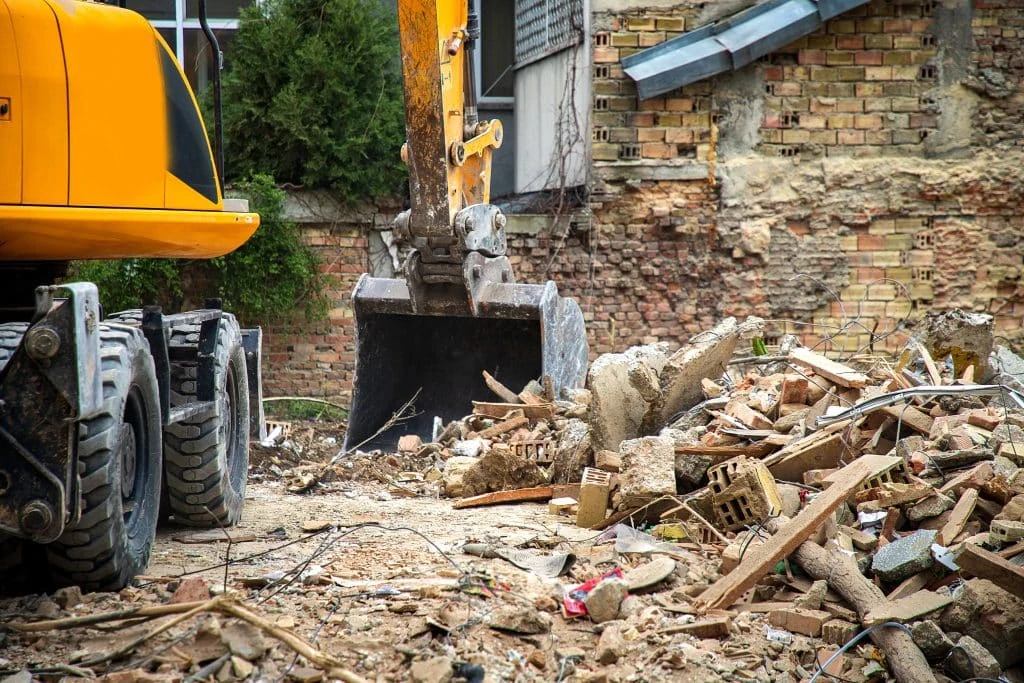
Heavy machinery like excavators is often used for full structural removal. These machines carefully break down the building piece by piece, starting from the roof and working downward. It might look aggressive, but operators are trained to control every movement with precision—similar to how a surgeon uses tools in a controlled and deliberate way.
In some cases, especially in urban areas or when only part of a structure is being removed, workers may rely more on manual labor. This is common in commercial renovations, such as updating older office buildings or remodeling restaurants while keeping parts of the original structure intact.
Dust suppression is also a key part of the process. Water sprays are often used to minimize airborne particles. Without this step, demolition could create dust clouds that affect nearby homes—much like sanding wood indoors without ventilation.
Once the structure is down, the cleanup begins. This is not just sweeping debris into a pile. Materials are sorted, hauled away, and processed at recycling or disposal facilities. Concrete may be crushed and reused in road construction, while metals are sent for melting and reuse in manufacturing.
Homeowners are often surprised by how “clean” the site looks at the end of the process. Instead of a chaotic pile of rubble, what remains is a cleared piece of land ready for new construction, landscaping, or sale.
Costs, Expectations, and Moving Forward After Demolition
Cost is one of the most common concerns for homeowners considering demolition. Prices vary widely depending on the size of the house, location, materials involved, and complexity of the job. A small single-story home will cost significantly less to demolish than a multi-level structure with hazardous materials.
Unexpected factors can also affect pricing. For example, discovering asbestos or underground fuel tanks can require special handling procedures, which increases both time and cost. This is why early inspections are so important—they help prevent surprises later on.
Timeframes also vary. While some demolitions are completed in a few days, others may take weeks when permits, weather conditions, or material recycling delays come into play. Think of it like renovating a kitchen: even if the actual construction is quick, preparation and finishing work can extend the timeline.
After demolition is complete, homeowners have several options. Some choose to rebuild immediately, while others may leave the land vacant for a period of time. In real estate, cleared land often increases property value because it gives buyers flexibility to design new structures from scratch.
In many cases, demolition marks the beginning of something new rather than the end of something old. Just like companies upgrade outdated office spaces to improve efficiency, homeowners use demolition as a reset button for better living conditions.
The key takeaway is that the process doesn’t have to feel intimidating. With the right preparation and support, it becomes a structured transition from old to new—carefully managed every step of the way.
Whether you’re planning a rebuild or simply exploring your options, understanding how demolition works helps you make informed decisions and feel more in control of the journey ahead.
About the Author