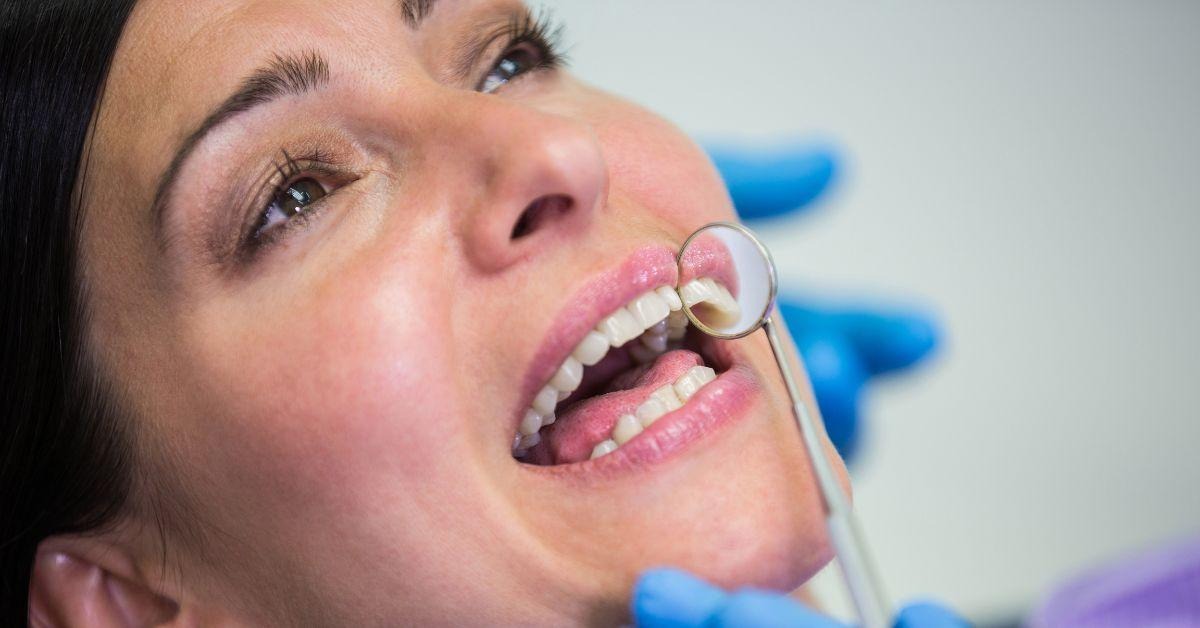
Dental Fillings
Most people get a dental filling and never think about it again, until it cracks, falls out, or starts causing pain. The truth is, fillings don’t last forever. How long you stay in good shape depends on a mix of factors: the material used, your oral habits, and how well you look after your teeth day to day.
Whether you’ve had a filling for years and are starting to wonder about its condition, or you’re about to get one and want to know what to expect, this article breaks it all down in plain language. If you’re looking for dental fillings Lower Hutt, knowing what affects filling lifespan can help you make smarter choices for your oral health long-term.
How Long Do Fillings Actually Last?
There’s no single answer because it depends heavily on the type of filling you have.
Amalgam (Silver) Fillings
Amalgam fillings are the old-school silver ones. They’ve been used for over 150 years and are known for durability. On average, they last 10 to 15 years, sometimes longer with proper care.
They’re tough, cost-effective, and hold up well under the pressure of chewing. The downside? They’re highly visible and contain mercury, which makes some patients prefer alternatives.
Composite (Tooth-Coloured) Fillings
Composite fillings blend in with your natural teeth. They’ve become popular because they look better and bond directly to the tooth. However, they typically last 5 to 10 years before they need replacing.
They’re more prone to wear, especially on back teeth that take the brunt of chewing. The quality of placement also plays a big role in how long they hold up.
Gold Fillings
Gold fillings are the most durable option and can last 15 to 30 years or more. But they’re expensive and require multiple dental visits, which puts many patients off.
Ceramic (Porcelain) Fillings
Ceramic fillings are strong, natural-looking, and resistant to staining. They generally last 10 to 15 years, similar to amalgam, but come at a higher cost.
Key Factors That Affect How Long a Filling Lasts
1. Where the Filling Is Located
A filling on a back molar faces far more pressure than one on a front tooth. Every time you chew, those back teeth grind down food and that wears fillings out faster.
Fillings placed in high-pressure areas tend to chip, crack, or loosen over time, especially if the material isn’t strong enough for that location.
2. The Size of the Cavity
Larger cavities mean larger fillings. The bigger the filling, the more stress it places on the remaining tooth structure. Big fillings are also more likely to crack because there’s less natural tooth holding things together.
If a cavity is too large, a dentist might recommend a crown instead of a filling, because a filling simply won’t hold up as well in that situation.
3. Your Bite and Jaw Habits
Do you grind your teeth at night? Do you clench your jaw when stressed? These habits, known as bruxism, put enormous pressure on fillings and wear them down much faster than normal chewing would.
People with bruxism often go through fillings more quickly than others. A custom mouthguard worn at night can reduce this damage significantly.
4. What You Eat and Drink
Hard foods like ice, hard lollies, or crusty bread can chip or crack fillings. Acidic drinks like fizzy drinks and fruit juices weaken the tooth around the filling over time, making it more likely to fail.
Sticky foods like caramel or chewing gum can physically pull at fillings, especially older ones that have started to loosen.
5. Oral Hygiene Habits
Brushing twice a day, flossing, and keeping regular dental appointments gives fillings a much better chance of lasting. When plaque builds up around a filling, decay can start underneath or along the edges, a condition called secondary decay.
This type of decay is harder to spot and often only shows up on X-rays. Left untreated, it can destroy the tooth entirely, meaning a filling that looked fine from the outside has actually been failing for months.
6. The Quality of the Original Placement
How well a filling is placed matters more than most people realise. A poorly fitted filling, one with gaps, uneven margins, or inadequate bonding, will fail earlier regardless of what material is used.
This is why choosing a skilled, experienced dentist makes a real difference. If you’re getting dental fillings Lower Hutt, asking about the materials used and the dentist’s experience with different filling types is completely reasonable.
Signs That a Filling Might Need Replacing
Fillings don’t always fail dramatically. Sometimes the warning signs are subtle. Watch out for:
- Sensitivity to hot or cold that wasn’t there before
- Pain when biting down on that tooth
- A rough or sharp edge you can feel with your tongue
- A visible crack or dark line around the filling
- Food consistently getting stuck in the same spot
If you notice any of these, book a dental appointment promptly. Leaving a damaged filling in place can lead to more serious problems, including infection or the need for a root canal.
Can You Make Your Fillings Last Longer?
Yes, and it’s mostly common sense.
Brush With a Soft-Bristled Toothbrush
Hard bristles and aggressive brushing wear down both enamel and filling material. A soft brush used with gentle circular motions cleans just as well without the damage.
Use Fluoride Toothpaste
Fluoride strengthens the tooth structure around fillings, reducing the risk of secondary decay. It’s one of the simplest things you can do.
Avoid Using Your Teeth as Tools
Opening packaging with your teeth, chewing on pens, or biting your nails all put stress on fillings. It’s a habit worth breaking.
See Your Dentist Regularly
Most dentists recommend check-ups every six months. At these appointments, they check the condition of existing fillings, catching wear and minor cracks before they become bigger problems.
FAQ: Common Questions About Dental Fillings
How do I know if my filling has fallen out?
You’ll usually feel it. There will be a rough or hollow area in your tooth, and you might find a small hard piece in your mouth. Sensitivity and pain when eating are also common. Contact your dentist as soon as possible, as an exposed cavity can become infected quickly.
Is it normal for a filling to hurt after it’s placed?
Some sensitivity for a few days after placement is normal. If the pain is severe or lasts more than two weeks, see your dentist. It may indicate that the filling needs adjustment or that the nerve has been affected.
Can a filling fall out on its own?
Yes, especially older fillings. Age, decay around the filling, or physical stress can cause it to loosen and fall out. This is more common in fillings that are 10 or more years old.
Do white (composite) fillings last as long as silver ones?
Generally, no. Composite fillings are a bit less durable than amalgam, particularly on back teeth. However, advancements in composite materials over the past decade have narrowed that gap considerably. Your dentist can advise which material suits your situation best.
Conclusion
Dental fillings are not a one-and-done solution. They wear down, age, and eventually need attention, usually somewhere between 5 and 20 years depending on the type and how well they’re cared for.
The good news is that with regular dental visits and sensible habits, you can get the most out of every filling you have. If you’ve had fillings for several years and haven’t had them checked recently, it’s worth booking an appointment. A quick X-ray can reveal a lot about what’s happening beneath the surface.
Taking care of small problems early is always easier and less expensive than dealing with bigger ones later.
About the Author