Owning a small boat brings a lot of joy, but it also comes with a unique set of maintenance challenges. One of the most persistent issues boaters face is managing the water that inevitably collects in the bottom of the vessel. Rainstorms, ocean spray, and minor leaks can quickly turn a dry deck into a small swimming pool.
Many boat owners spend their weekends manually bailing out water from their Boston Whalers, Zodiacs, or wooden tenders. This manual labor eats into your valuable recreation time and leaves your vessel vulnerable when you are not around to manage the water buildup. A heavy rainstorm overnight can easily overwhelm a small boat that lacks a proper drainage system.
Finding a dependable solution is essential for protecting your investment. You need a system that works automatically, keeping the water level down without requiring your constant supervision. This is where a high-quality dinghy bilge pump comes into play, offering a hands-off approach to water management.
By upgrading to an automatic, self-contained system, you can step away from the manual bailing bucket for good. The latest innovations in marine technology, particularly solar-powered units, have made it easier than ever to keep your vessel completely dry. Let us look at how these modern pumps operate and why they are a necessary addition to your boating gear.
Why Every Small Boat Needs Automatic Water Removal
Water accumulation is more than just a minor inconvenience. It poses a real threat to the integrity and safety of your boat.
The Risks of Accumulated Water
When water sits in the bottom of a boat, it creates a breeding ground for mold, mildew, and unpleasant odors. For wooden boats, standing water accelerates rot and degrades the structural integrity of the hull. Even fiberglass vessels can suffer from long-term water exposure, leading to blistering and gel coat damage. Furthermore, excess water adds significant weight to your boat. This extra weight strains your lift system, alters the boat’s center of gravity, and increases the risk of swamping during heavy winds.
Leaving Your Boat Unattended
Most boaters do not live right on the dock. You might keep your boat at a lake house, on a mooring, or parked on a trailer in your driveway. When the vessel sits unattended for days or weeks, it is entirely at the mercy of the weather. A sudden downpour can dump inches of rain in a matter of hours. Without an automatic dinghy bilge pump, you are left rushing to the marina after every storm to check on your boat. Having an automatic system provides incredible peace of mind, knowing that the water is being pumped out as quickly as it enters.
How a Solar-Powered Dinghy Bilge Pump Changes the Game
Traditional bilge pumps rely heavily on the boat’s internal electrical system. This presents a massive problem for smaller vessels that may not even have an onboard battery.
No Need for Complex Wiring
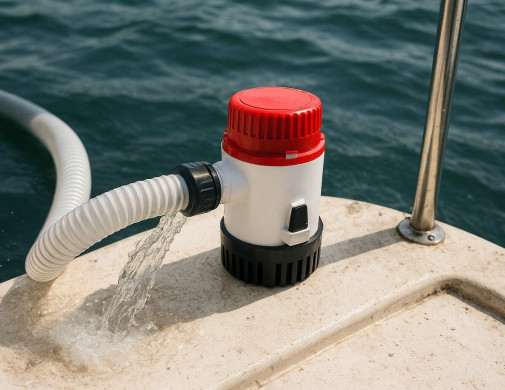
Standard pumps require hardwiring, routing cables, and drilling holes. This installation process is frustrating and often requires hiring a professional marine electrician. Solar-powered options, like the Raintaker Pro, eliminate this headache completely. These self-contained units require zero wiring, zero tools, and zero connections to your boat. You simply place the unit where the water collects, drape the discharge hose over the side, and walk away. This drop-in setup is perfect for small open boats and tenders where space and electrical resources are limited.
Eliminating Unreliable Float Switches
Standard automatic pumps usually rely on mechanical float switches to trigger the motor. These switches are notorious for failing. They get stuck on debris, corrode in saltwater, or simply wear out over time, leaving your boat unprotected. Modern solar units utilize advanced water sensors instead of mechanical floats. These sensors detect rising water levels—often at an inch or less—and activate the pump automatically. Removing the mechanical switch from the equation drastically increases the reliability of the system.
Top Features to Look for in a Marine Sump Pump
If you are evaluating different water removal systems for your vessel, there are a few critical features you should demand.
Fresh and Saltwater Compatibility
Your boating environment dictates the kind of gear you need. Saltwater is incredibly corrosive and will quickly destroy inferior equipment. Any pump you choose must feature marine-grade components, such as 316L stainless steel, to withstand harsh coastal environments. At the same time, the unit should function perfectly on freshwater lakes and rivers. A versatile pump ensures you are protected no matter where you choose to drop anchor.
Continuous Charging and Internal Batteries
A common concern with solar devices is how they perform at night or during cloudy weather. The best solar pumps feature high-capacity internal batteries. The solar panel continuously charges the battery during daylight hours, storing enough energy to power the pump through the night. This means the pump is always ready to activate, even during a midnight thunderstorm. You should look for a system that can achieve a sufficient charge to pump water with just a single hour of sun exposure.
The Raintaker Pro: A Smart Choice for Boat Owners
The Raintaker Pro automatic bilge protection system is engineered specifically to address the unique challenges of small boat ownership.
Easy Drop-in Setup
Designed for ultimate portability, this pump features a built-in 3M traction pad on the bottom. This allows the unit to grip firmly to fiberglass, wood, aluminum, or even a canvas boat cover without slipping in high winds. The design also keeps all metal components away from your vessel’s finish, so you never have to worry about scratches. The included discharge hose can be trimmed to the perfect length for your specific dinghy, ensuring the water flows directly overboard.
Peace of Mind for Busy Boaters
Backed by a two-year warranty, this system is built for people who want to set it and forget it. It handles heavy rain buildup effortlessly and keeps your boat dry while you are away. There are no batteries to replace, no switches to unstick, and no returning to a swamped boat. It even comes fully assembled and ready to use right out of the box, complete with a wall charger to precondition the battery before its first deployment.
Frequently Asked Questions (FAQ)
Do I need to charge it daily?
No. A quality solar pump charges itself using daylight. As long as the unit is placed outside with a view of the sky, it will maintain its internal battery. It is designed to be left outside for months on end, automatically managing its own power supply.
Will it work on a boat cover?
Yes. Water pooling on top of a boat cover is a common issue that can stretch and tear the fabric. You can place the pump directly into the deepest puddle on your cover. The traction pad keeps it in place, and the sensors will activate the pump to remove the heavy pooling water before it causes damage.
What if my bilge area is covered?
If you have a center console, a deep V hull, or a cruiser with an enclosed bilge, a standard solar pump will not get the sunlight it needs to charge. In these cases, you can utilize a remote panel kit. This allows you to mount the solar panel in a sunny location on the deck while the pump remains hidden down in the dark bilge area.
Keep Your Vessel Dry and Ready for the Water
Maintaining a small boat should not feel like a second job. Upgrading your equipment to include an automatic dinghy bilge pump allows you to reclaim your weekends and protect your vessel from water damage. By utilizing solar technology and advanced water sensors, you eliminate the common failure points of traditional systems.
You no longer have to worry about dead marine batteries or stuck float switches. Simply drop the unit into place, ensure the hose is directed overboard, and let the sun do the rest of the work. With reliable, automatic water removal handling the heavy lifting, your boat will always be dry, safe, and ready for your next adventure on the water.
About the Author