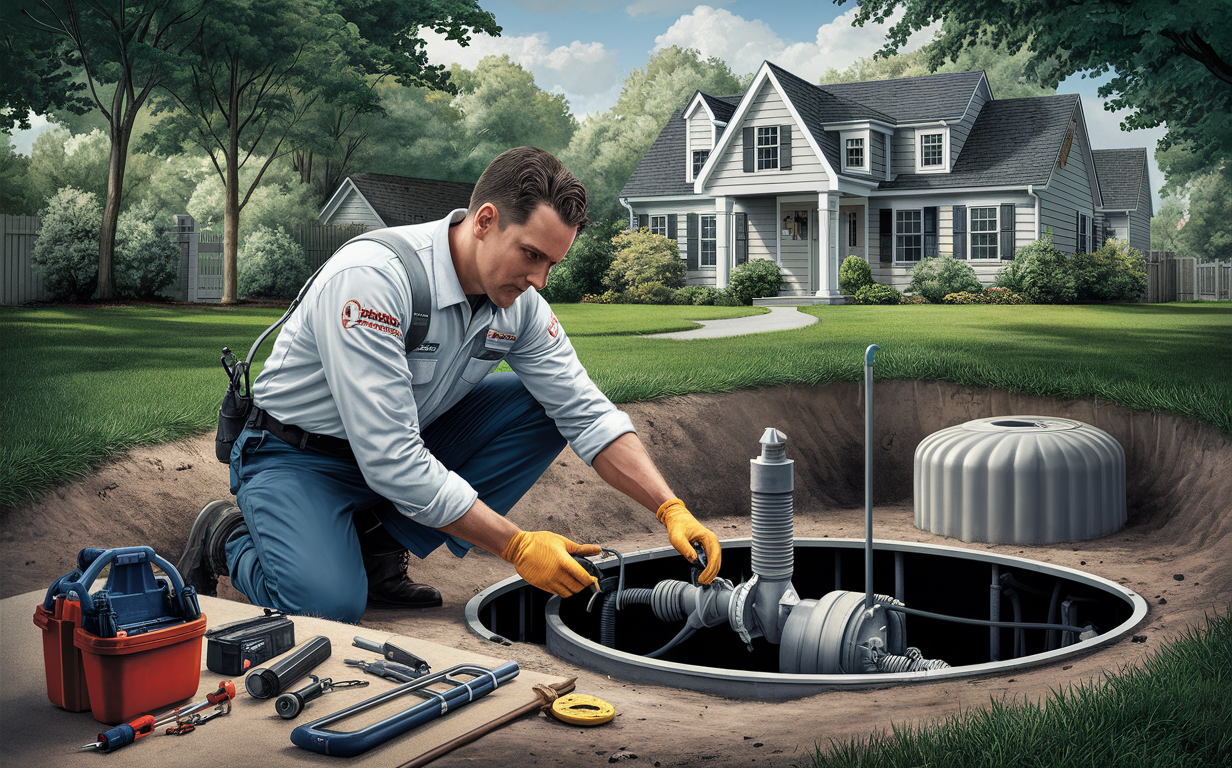
If you own a home that relies on a septic system, you already know how important it is to keep everything running smoothly underground. Unlike city sewer connections, septic systems are entirely your responsibility — and that means understanding how they work, what can go wrong, and when to call in a professional. For homeowners who need septic tank installation and repair in Raleigh NC, knowing the basics of your system is truly the first step toward protecting your property and your wallet.
How a Conventional Septic System Actually Works
A conventional septic system has three main parts that work together: the septic tank, the distribution box, and the drain field. Each plays a specific role, and if any one of them fails, the whole system can be affected.
The septic tank is the first stop for all the wastewater leaving your home. Inside the tank, heavy solids sink to the bottom and form sludge, while lighter materials like grease float to the top as scum. The liquid in the middle — called effluent — is what eventually moves forward through the system. Over time, a well-maintained tank can last anywhere from 15 to 40 years or even longer, depending on the material it is made from and how well it is cared for.
The Three Types of Septic Tanks and What Sets Them Apart
Not all septic tanks are built the same way. Pre-cast concrete tanks are by far the most common choice in North Carolina. They are incredibly durable, have a longer lifespan than most alternatives, and hold up well under the region’s soil conditions. The trade-off is a higher upfront cost, but most homeowners find it well worth the investment over the long run.
Fiberglass tanks are a popular second option. They resist erosion well and are lightweight enough to make installation a bit easier, though the seams can be a weak point over time. Plastic or polyethylene tanks sit at the more affordable end of the spectrum and are easier to install in tight spaces. They require careful handling and monitoring, especially in areas where groundwater levels can shift.
Anaerobic vs. Aerobic Treatment: Which System Is Right for Your Property?
Most residential properties use anaerobic septic systems, which rely on naturally occurring bacteria that break down waste without any oxygen. These systems are simple, cost-effective, and require minimal mechanical components. As long as the tank is pumped regularly and the drain field stays healthy, an anaerobic system handles daily household wastewater with little fuss.
Aerobic Treatment Units, or ATUs, take things a step further by pumping oxygen into the tank. The added oxygen supercharges the bacterial process, resulting in cleaner effluent leaving the tank. These systems are particularly valuable for smaller lots, properties with challenging soil conditions, or homes near bodies of water where environmental impact is a real concern. The added complexity does mean higher installation costs and more routine maintenance, but for properties where a standard system simply would not perform well, an ATU is a smart solution.
The Role of the Distribution Box in Your Septic System
Once effluent exits the septic tank, it travels to the distribution box — often called the D-box. This small but mighty component sits within about 10 feet of the tank and is responsible for sending wastewater evenly into the drain field. Adjustable dials at the exit pipes control how much flow goes to each section of the field, which helps prevent any one area from becoming oversaturated.
A functioning D-box also protects your yard from flooding, prevents soil from collapsing under the weight of concentrated wastewater, and gives aerobic bacteria in the soil the time they need to do their job. Because the D-box is a mechanical component exposed to constant moisture and waste, it is often one of the first parts of a septic system to show wear. Clogs and cracks are common, and catching them early through routine inspections saves a lot of money and headaches.
Understanding the Drain Field and Leach Lines
The drain field is the final destination of your home’s wastewater, and it is the most expensive component to repair or replace. From the D-box, effluent flows into a series of perforated underground pipes called leach lines. These pipes allow liquid to slowly seep into the surrounding soil, where bacteria naturally filter out harmful contaminants before the water rejoins the groundwater supply.
Leach lines face a number of threats over the years. Tree and shrub roots are notorious for working their way into pipes, causing blockages that can back up the entire system. Driving or parking heavy vehicles over the drain field compresses the soil and crushes pipes underneath. Even without any physical damage, drain field soil eventually loses its ability to absorb effluent effectively, which means the field may need to be relocated or expanded as the property ages.
Why Raleigh Homeowners Need to Pay Close Attention to Their Systems
Raleigh and the surrounding communities are full of beautiful, well-established neighborhoods — many of which were built decades ago when septic technology was quite different. Even in areas served by municipal water infrastructure, a large number of homeowners still manage their own septic systems. Age is a factor that simply cannot be ignored. A system that was installed 30 or 40 years ago may have served the home faithfully, but it is likely approaching the end of its reliable lifespan.
That is where professional services become essential. Whether you need targeted repairs to a cracked tank, a replacement D-box, new leach lines, or a full system overhaul, working with experienced technicians who understand local soil conditions, county regulations, and modern system design makes all the difference. Teams that handle complete septic tank installation and repair in Raleigh NC bring the right equipment, the right permits knowledge, and the right expertise to get the job done properly the first time.
Take Care of Your Septic System Before It Demands Attention
The best thing any homeowner can do is stay ahead of septic issues rather than wait for a problem to surface — literally. Regular pumping, periodic inspections, and being mindful of what goes down your drains all contribute to a system that lasts for decades without major disruptions. When something does need attention, acting quickly limits the scope of repairs and keeps costs manageable.
A well-maintained septic system is invisible — and that is exactly how you want it. With the right care and the right team on your side, your system will continue doing its job quietly and reliably for many years to come.
About the Author