sort the court
Introduction to sort the court
Sort the Court is one of those deceptively simple games that looks almost too minimal at first glance, yet somehow manages to hook players for hours. On the surface, it’s a text-based decision game where you play as a ruler answering yes-or-no questions. Underneath that simplicity, though, lies a surprisingly thoughtful simulation of leadership, consequences, and long-term planning. The game doesn’t rely on flashy graphics or complex mechanics. Instead, it leans into clever writing, memorable characters, and a feedback loop that constantly makes you question your own judgment.
What really makes Sort the Court stand out is how approachable it is. Anyone can start playing immediately without tutorials, skill trees, or long introductions. You sit on your throne, people approach you, and you answer their questions. That’s it. And yet, after just a few minutes, you realize that every answer matters. A single “yes” can boost happiness but drain gold. A casual “no” might protect your treasury while slowly eroding public trust. This balance is where the game truly shines.
Despite its simplicity, Sort the Court has developed a cult following. Streamers, casual gamers, and even people who don’t normally play games have found something appealing in its design. It’s a reminder that games don’t need massive budgets or hyper-realistic visuals to be impactful. Sometimes, all you need is a good idea executed well.
In this article, we’ll explore Sort the Court in depth. From its core mechanics to its characters, strategy, and long-term appeal, this guide breaks down why the game works so well and why it continues to be relevant years after its release.
Core Gameplay Mechanics: Simple Choices with Serious Consequences
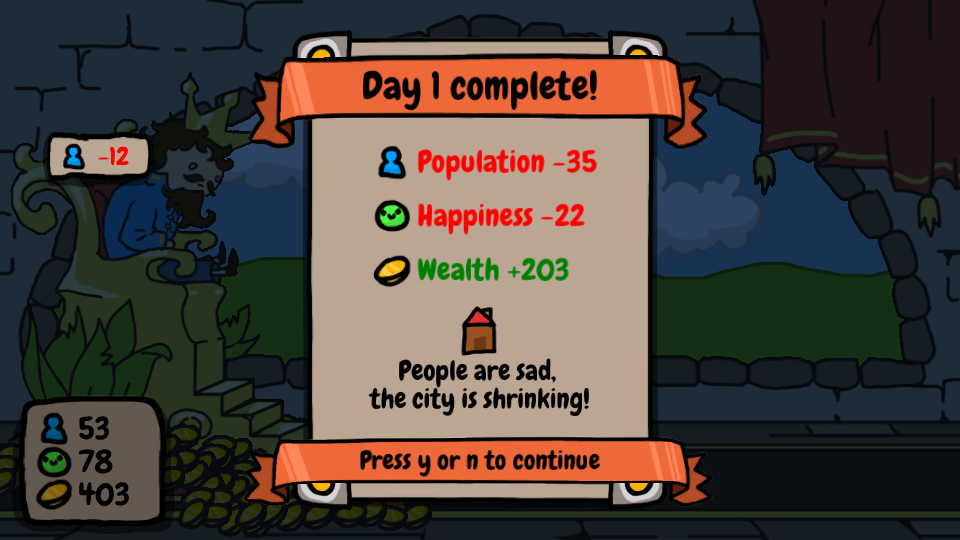
At the heart of Sort the Court is a single mechanic: answering questions with “yes” or “no.” Every day, a series of characters approach your throne and ask for decisions. These decisions directly affect three main resources: population, happiness, and gold. While that might sound straightforward, the way these resources interact creates a surprisingly deep system.
Population represents how many people live in your kingdom. More people can be good because it reflects growth and success, but it can also create pressure. A larger population often demands more resources, and certain events can spiral out of control if your numbers grow too quickly. Happiness, on the other hand, measures how content your people are. A happy kingdom is more stable, but keeping everyone satisfied often costs gold or requires risky decisions.
Gold is the most obvious resource. It fuels projects, solves problems, and allows you to invest in long-term benefits. However, gold is also the easiest resource to lose. Many appealing choices come with a hidden cost, and saying “yes” too often can drain your treasury faster than you expect. This constant tension between generosity and caution is what gives the game its strategic edge.
What makes the system compelling is that the game rarely tells you the full consequences of your actions upfront. You might agree to help a mysterious visitor, only to discover days later that your choice triggered a chain of events. This uncertainty mirrors real leadership, where decisions are often made with incomplete information.
The Characters: Memorable Faces in a Minimalist World
One of the most impressive aspects of Sort the Court is how memorable its characters are, despite their simple designs. Each visitor has a distinct personality, speech pattern, and role within the kingdom. Over time, you begin to recognize them instantly, and their appearances feel like recurring chapters in an ongoing story.
There’s the jester-like character who brings humor and unpredictability, the mysterious beings who hint at magic or danger, and the practical advisors who focus on numbers and stability. Each character represents a different aspect of governance, from entertainment and morale to economics and defense. Their questions aren’t random; they’re thematic and often reflect larger issues facing the kingdom.
What’s especially clever is how the game builds relationships through repetition. Characters return over multiple days, and your past decisions influence their future behavior. Help someone once, and they might come back with a bigger request. Refuse them too often, and they may disappear or create problems behind the scenes. This creates a sense of continuity that makes the kingdom feel alive.
The writing deserves special mention. Dialogue is short but effective, often mixing humor with subtle warnings. A single line can hint at danger, opportunity, or long-term consequences. This economy of words is a big part of why the game feels so polished.
Strategy and Decision-Making: Thinking Beyond Yes or No
Although Sort the Court appears simple, playing it well requires careful thought and long-term planning. New players often fall into the trap of saying “yes” to everything, assuming generosity is always the right choice. While this can boost happiness early on, it almost always leads to financial trouble.
A more balanced strategy involves understanding trade-offs. Sometimes, a temporary drop in happiness is worth preserving gold. Other times, investing gold early can lead to population growth that pays off later. The key is recognizing patterns and learning which characters tend to bring positive or negative outcomes.
Experienced players also learn to think in terms of timing. Early in the game, it might be wise to focus on building a stable foundation with moderate population growth and healthy gold reserves. As the kingdom becomes more stable, you can afford to take bigger risks, fund ambitious projects, or explore mysterious opportunities.
Another strategic layer comes from hidden mechanics. Some decisions unlock future events, new characters, or long-term bonuses. These aren’t always obvious, which encourages experimentation and replaying the game. Over time, you develop an intuitive sense of which risks are worth taking and which ones should be avoided.
Replayability and Long-Term Appeal
One of the reasons Sort the Court has remained popular is its replayability. Because the game relies on decisions and consequences rather than fixed levels or scripted paths, each playthrough feels slightly different. Even if you recognize certain characters, your responses can lead to entirely new outcomes.
The game also encourages players to set personal goals. One run might focus on maximizing population, while another aims for extreme wealth or near-perfect happiness. These self-imposed challenges add depth without requiring additional content or updates.
There’s also a subtle satisfaction in mastering the system. Early playthroughs often end in chaos, with empty coffers or an unhappy populace. As you improve, you start to see how everything fits together. That sense of growth mirrors the development of the kingdom itself, making success feel earned rather than handed to you.
For many players, Sort the Court becomes a kind of comfort game. Its calm pacing, gentle humor, and low-pressure mechanics make it ideal for short sessions or relaxed play. You can jump in for a few minutes, make some decisions, and leave feeling like you’ve accomplished something.
The Art Style and Sound Design: Less Is More
Visually, Sort the Court embraces minimalism. Characters are simple, colorful, and expressive without being overly detailed. The throne room setting rarely changes, yet it never feels boring. This consistency helps players focus on decisions rather than distractions.
The simplicity of the art style also contributes to the game’s accessibility. It runs smoothly on a wide range of devices and doesn’t demand powerful hardware. This has helped the game reach a broader audience, including people who might not consider themselves traditional gamers.
Sound design plays a quiet but important role. Background music is calm and unobtrusive, setting a relaxed tone without overwhelming the player. Sound effects are subtle, reinforcing actions without drawing too much attention. Together, these elements create an atmosphere that’s easy to sink into.
By stripping away unnecessary complexity, the game ensures that every visual and audio element serves a purpose. This design philosophy aligns perfectly with the game’s core mechanic: focus on the decision, not the spectacle.
Themes and Underlying Messages
Beyond its mechanics, Sort the Court explores deeper themes about leadership and responsibility. The game subtly asks questions about what it means to be a good ruler. Is it better to keep people happy in the short term, even if it risks long-term stability? Should you prioritize growth or sustainability?
There’s also an ongoing tension between transparency and mystery. Many decisions involve unknown outcomes, reflecting the reality that leaders often act without full information. The game doesn’t punish curiosity outright, but it does show that blind optimism can be dangerous.
Another notable theme is balance. No single resource can be ignored, and no strategy works forever. This reinforces the idea that effective leadership requires adaptability. You can’t rely on one approach and expect it to succeed indefinitely.
These themes are never delivered through heavy-handed storytelling. Instead, they emerge naturally from gameplay. This makes them more impactful, as players arrive at their own conclusions through experience rather than exposition.
Why Sort the Court Still Matters Today
In a gaming landscape dominated by massive open worlds, complex systems, and endless content updates, Sort the Court stands as a reminder of the power of simplicity. It proves that a small, well-designed game can be just as engaging as a blockbuster release.
The game’s enduring popularity also highlights a growing appreciation for thoughtful, low-pressure experiences. Not every game needs to be competitive or visually intense. Sometimes, players just want to think, make choices, and see what happens.
For aspiring game developers, Sort the Court is an excellent case study. It shows how strong core mechanics, clear design goals, and polished execution can create a lasting impact without excessive resources. Every element of the game supports its central idea, and nothing feels wasted.
Ultimately, Sort the Court remains relevant because it respects the player’s intelligence. It doesn’t over-explain or hold your hand. It invites you to experiment, fail, learn, and improve. That respect is what turns a simple yes-or-no game into a memorable experience.
Conclusion: A Small Game with a Big Impact
Sort the Court may look modest at first, but its depth, charm, and thoughtful design make it something special. Through simple mechanics, memorable characters, and meaningful choices, it captures the essence of leadership in a way that feels both entertaining and insightful.
Whether you’re a casual player looking for a relaxing game or someone interested in game design and decision-making systems, Sort the Court has something to offer. Its lasting appeal lies in its balance of simplicity and depth, humor and seriousness, risk and reward.
In the end, sitting on that digital throne and answering questions isn’t just about managing numbers. It’s about learning how every choice, no matter how small, can shape an entire kingdom. And that’s what makes Sort the Court truly unforgettable.
About the Author